
Eat Your Way to Better Hair: The Top Foods for a Healthy Scalp
April 17th, 2026
Dr James Kilgour, MD
This article is for you if...
Most of us treat our hair like a decorative accessory—something to be cut, colored, and styled into submission. We spend small fortunes on luxury shampoos and scalp serums, hoping for that elusive salon-quality shine. But if you want to truly transform your hair, you need to stop looking at the vanity mirror and start looking at your dinner plate.
Your scalp is essentially a highly specialized garden. If the soil is depleted of minerals and dehydrated, even the most expensive fertilizer won’t save the plants. To achieve a thick, resilient mane and maintain healthy hair, you must focus on nourishing the "soil" from the inside out.
Why Your Diet is the Secret Ingredient for Great Hair
Hair is one of the fastest-growing tissues in the human body, but there is a catch: it is also considered non-essential. When your body is running low on resources, it prioritizes your heart, lungs, and brain. Your hair is the first thing to lose its supply of nutrients and the last thing to receive them. This means that a lackluster diet shows up on your scalp long before it affects your vital organs.
The Biological Link Between Nutrients and Your Scalp
Every strand of hair is produced within a follicle, a tiny organ embedded in your scalp that requires a constant supply of oxygen, minerals, and energy. Blood vessels at the base of each follicle deliver the building blocks needed for cellular turnover. If your blood is rich in vitamins, your follicles function like a high-performance engine. If your diet is lacking, those follicles go into a "maintenance mode," leading to thinning, dryness, and a flaky, irritated scalp.
The Foundations of Scalp Health: Essential Nutrients
Before we dive into specific foods, we need to understand the four pillars of hair chemistry. These are the raw materials your body uses to manufacture every single strand.
1. Protein: The Building Block of Hair
Your hair is almost entirely made of a tough, fibrous protein called keratin. If you aren’t consuming enough high-quality protein, your body simply cannot produce strong hair. This results in strands that are brittle, prone to breakage, and slow to grow. Think of protein as the bricks of a house; without them, the structure collapses.
2. Biotin and B-Vitamins: The Growth Spark
Biotin is often marketed as a miracle pill in various supplements, but its real job is more practical: it helps produce keratin and assists in the metabolism of amino acids. Other B-vitamins help create red blood cells, which carry oxygen and nutrients to the scalp. Without these, your follicles are essentially gasping for air.
3. Omega-3 Fatty Acids: Nature’s Moisturizer
If your scalp feels tight, itchy, or dry, you likely have an EFA (Essential Fatty Acid) deficiency. Omega-3s provide the oils that keep your scalp hydrated and provide that coveted "inner glow" to your hair. Since your body cannot produce these fats on its own, you have to eat them.
4. Iron and Zinc: The Scalp Protectors
Iron helps red blood cells carry oxygen to your cells. When iron levels are low (anemia), hair loss is often the first visible symptom. Zinc, meanwhile, plays a crucial role in hair tissue growth and repair. It also keeps the oil glands surrounding the follicles working correctly.
Top Foods to Add to Your Grocery List
Now that we know the "why," let’s get to the "what." Integrating these best foods into your weekly routine will create a noticeable shift in your scalp health.
Fatty Fish: Salmon, Mackerel, and Herring
Fatty fish are the gold standard for scalp health. They are loaded with Omega-3 fatty acids, high-quality protein, and Vitamin D3. Think of salmon as an internal conditioner. Regular consumption helps reduce scalp inflammation, which can otherwise lead to shedding and dandruff.
Eggs: The Ultimate Hair Superfood
Eggs are nature’s multivitamin for your hair. They provide a perfect ratio of protein and biotin. Additionally, they contain leucine, an amino acid that triggers muscle and tissue repair. Whether you like them poached, scrambled, or boiled, eggs are the most cost-effective way to boost hair quality.
Berries and Citrus: Vitamin C and Antioxidants
Vitamin C is a double-threat. First, it helps your body produce collagen, which strengthens the capillaries that supply the hair shafts. Second, it is a powerful antioxidant that protects hair follicles from "oxidative stress"—damage from pollution and UV rays that can age your scalp prematurely.
Spinach and Leafy Greens: For Oxygenation
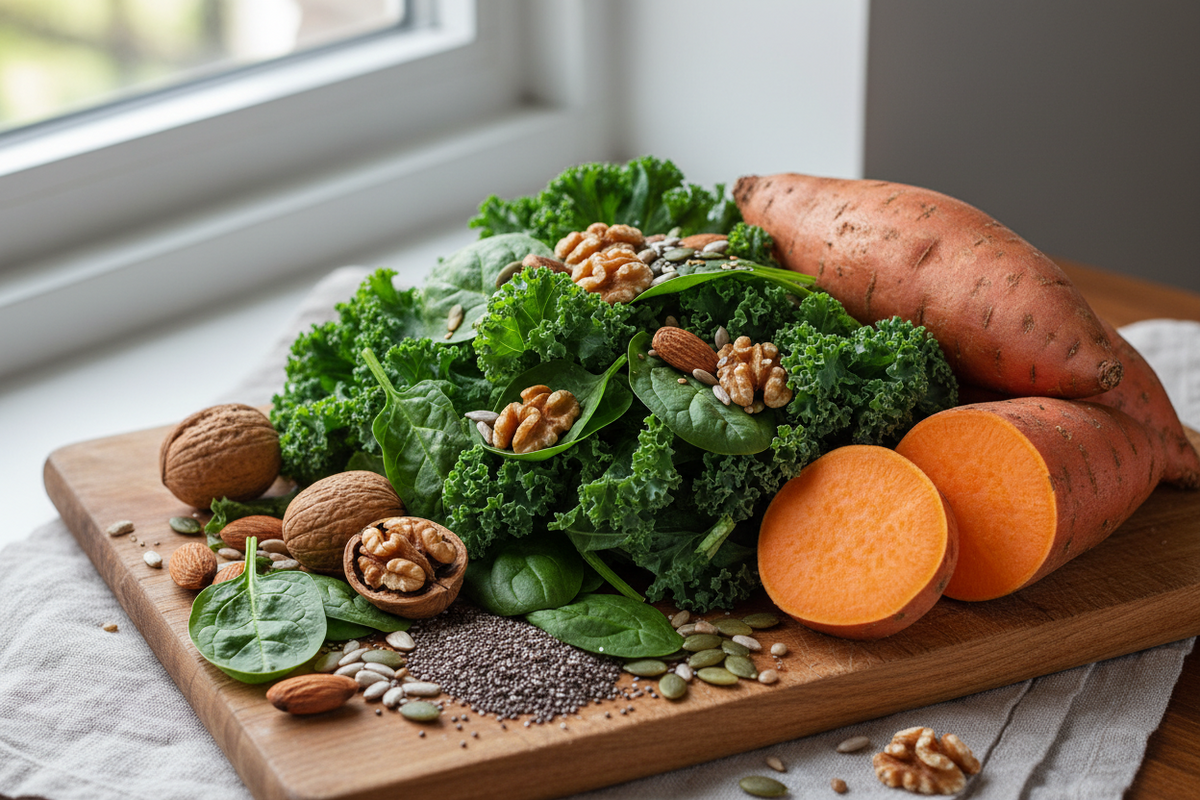
Spinach is a powerhouse of folate, iron, and Vitamin A. Vitamin A is particularly interesting; it helps the skin glands produce sebum. This oily substance is your scalp’s natural moisturizer. Without enough sebum, your hair becomes straw-like and your scalp becomes prone to irritation.
Nuts and Seeds: Walnuts, Chia, and Flax
Walnuts are unique because they contain a significant amount of Omega-3s and Vitamin E. Seeds like flaxseeds and chia provide a concentrated dose of minerals like selenium and zinc. These tiny additions to your morning oatmeal act as a "shield" for your hair cells, protecting them from DNA damage.
Sweet Potatoes: The Beta-Carotene Boost
The body converts beta-carotene into Vitamin A. Sweet potatoes are one of the richest sources of this compound. A single medium sweet potato contains enough beta-carotene to provide more than four times your daily Vitamin A needs, ensuring your scalp stays hydrated and flake-free.
Avocados: Healthy Fats for Shine
Avocados are rich in Vitamin E, which improves blood flow and circulation, helping the follicles work more efficiently. They also contain essential fatty acids that act as the "glue" for hair cuticles, laying them flat so they reflect light—giving you that natural shine.
Oysters and Shellfish: Mineral Density
Oysters are the best known source of zinc. A zinc deficiency can lead to a condition called telogen effluvium—a common but reversible form of hair loss. If you aren't a fan of oysters, beef, or plant-based options like pumpkin seeds and lentils are excellent runners-up.
Hydration: The Forgotten Scalp Treatment
You can eat all the salmon in the world, but if you are chronically dehydrated, your scalp will suffer. Water is the primary transporter for nutrients. When you are dehydrated, your body pulls water from the skin and hair to support vital functions. Aim for a consistent intake of water throughout the day to keep the scalp supple and the hair shaft elastic.
Habits to Avoid: Foods That May Hinder Hair Growth
A healthy diet isn't just about what you add; it’s about what you remove. Certain dietary habits can actively sabotage your progress.
The Impact of High-Sugar Diets
High sugar intake causes spikes in insulin, which can lead to an increase in androgens (male hormones). In both men and women, excess androgens can cause hair follicles to shrink, leading to hair thinning. Furthermore, sugar triggers systemic inflammation, which is the enemy of a healthy scalp.
Processed Foods and Inflammation
Processed snacks are often high in trans fats and low in nutrients. These "empty calories" don't just fail to nourish the hair; they can lead to oxidative stress that weakens the hair’s structural integrity. If it comes in a crinkly plastic bag, it’s probably not doing your scalp any favors.
Creating a Balanced "Hair-First" Meal Plan
Improving your hair doesn't require a radical, restrictive diet, but rather a consistent balanced diet. It’s about making smarter swaps.
Sample Daily Menu for Scalp Vitality
-
Breakfast: Greek yogurt topped with blueberries, walnuts, and a sprinkle of chia seeds. (Protein, Antioxidants, Omega-3s).
-
Lunch: A large spinach salad with grilled chicken or chickpeas, sliced avocado, and a lemon-tahini dressing. (Iron, Zinc, Vitamin C).
-
Snack: An orange or a handful of almonds. (Vitamin C, Vitamin E).
-
Dinner: Baked salmon with roasted sweet potatoes and steamed broccoli. (Omega-3s, Beta-carotene, Folate).
When to Expect Results: Patience and Consistency
Hair growth is a slow process. On average, hair grows about half an inch per month. This means the "new" hair you are building with your improved diet today won't be visible at the surface for several weeks, and it may take three to six months to see a significant change in thickness or texture. Consistency is more important than intensity; eating one salad won't fix a year of neglect, but a lifestyle shift will. Adding a scalp health- focused hair growth serum will have a synergistic effect on your scalp and hair growth.
Key Takeaways for a Healthier Scalp
Your hair is a reflection of your internal health. To build a better scalp, prioritize high-quality proteins like eggs and fish, load up on colorful vegetables for their antioxidant properties, and don't fear healthy fats. By treating your body with the respect it deserves, you provide your hair with the foundation it needs to thrive. The best "product" for your hair isn't in your bathroom cabinet—it's in your refrigerator.