
Catch the Early Signs of Hair Loss
Fuller hair begins with healing your scalp.
The early signs are subtle: a shift at the hairline, strands that feel more fragile or increased scalp visibility in certain areas. As this pattern continues, it can progress into noticeable hair loss. That’s why early intervention matters.
“Hair shedding isn’t driven by genetics alone. It reflects changes in the condition of your scalp—the skin where hair grows. When you treat it as a skincare concern—restoring strength, hydration, and balance—improvement is possible.”
James Kilgour, MD | Board-Certified Dermatologist
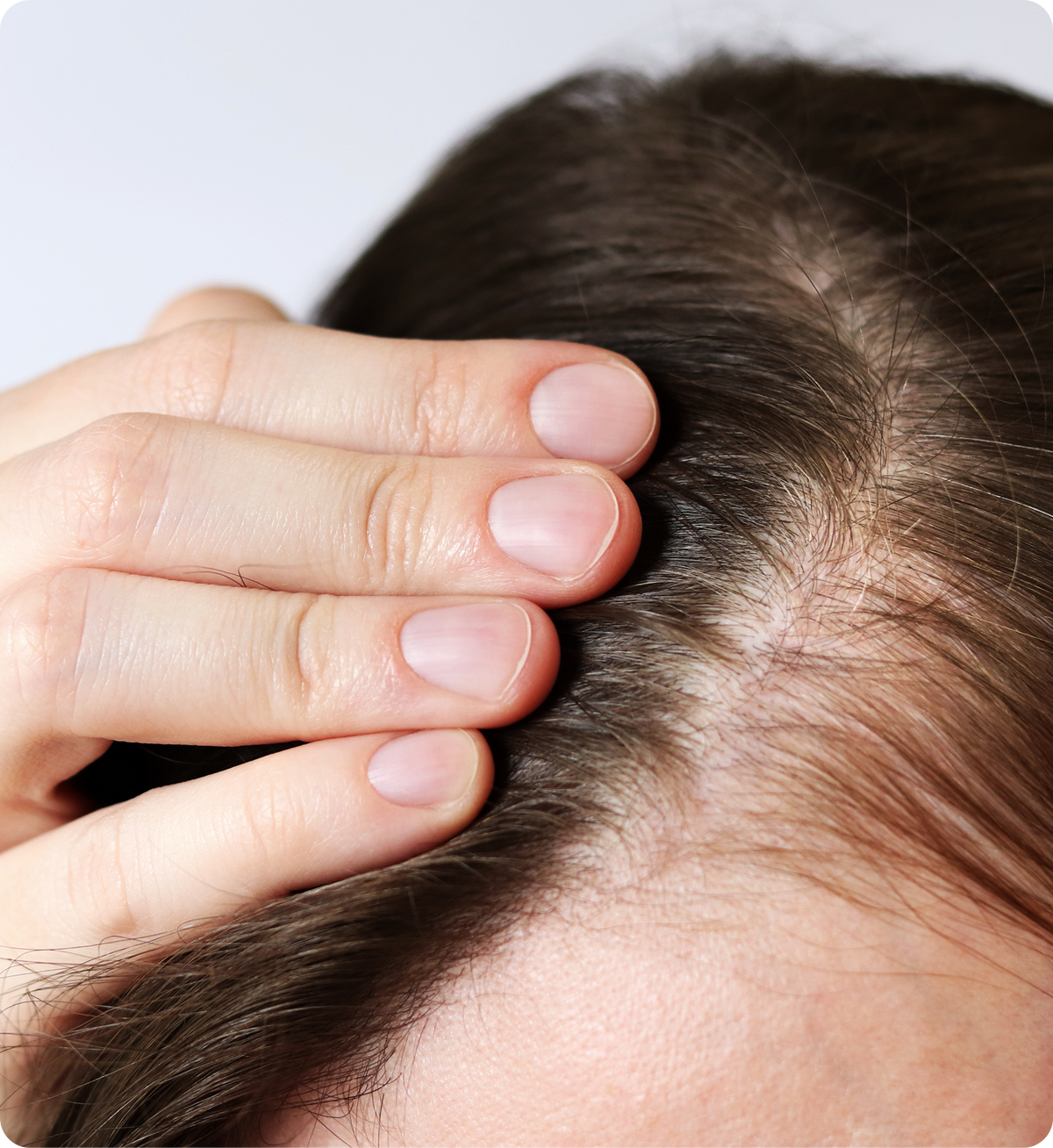
The Four Triggers of Early Stage Hair Loss
Learn the causes. Treat the effects.
Early stage hair loss is a dermatological issue—not just a genetic one. Like facial skin, your scalp health is influenced by a range of factors: aging, hormonal disruption, and nutritional or microbial imbalances. Over time, these triggers can compile, creating an environment where follicles struggle to sustain strong, consistent growth.
1. Scalp Aging
Scalp aging is caused by three main drivers: genetics, time and poor skin maintenance. Together, these changes can weaken scalp health as circulation slows and fewer nutrients reach the follicles, while collagen and hydration decline. As a result, your skin becomes more fragile, drier, and slower to recover. That’s where hair loss begins—follicles become less productive, leading to thinner, finer strands.
2. Hormonal Shifts
Early stage hair loss is influenced by hormonal signals that shape how the scalp functions. When the body experiences triggers such as stress or menopause, DHT can increase—the hormone that stunts your hair growth cycle and shrinks your follicles, resulting in less hair density and finer strands. Until the right dermatological treatment is applied, these conditions can progress into noticeable hair loss.
3. Nutrient Depletion
An unhealthy diet is a key driver of early stage hair loss. It forces your body to function on less fuel. In this state, the body prioritizes essential functions, directing nutrients toward vital tissues like the heart and lungs, leaving less resources available to support the follicles. The longer follicles go without the support they need, the more they begin to miniaturize, leading to finer strands.
4. Microbiome Imbalance
Your scalp is made of living tissue—an environment that hosts a complex balance of core elements, including sebum, hydration, bacteria and fungi. When this environment is impaired, the scalp becomes less stable: inflammation increases and oil regulation shifts. These conditions allow harmful microbes to multiply, contributing to slower follicular function and increased shedding.
Why Other Solutions Fail
What you’re seeing isn’t your new baseline—it can improve when the right conditions are restored at the scalp. This is where most solutions fall short. They fail to treat early stage hair loss as a complex biological process.
| Approach | What It Does | What It Misses |
|---|---|---|
| Minoxidil | Stimulate follicles to promote growth | Hormone-related follicle inflammation. |
| Biotin | Correct nutritional deficiencies | Scalp microbiome imbalance and moisture barrier dysfunction. |
| Thickening shampoos | Create the appearance of hair density | Root-level follicle weakness. |
| Nutritional supplements | Support nutritional delivery to the follicles | Systemic follicle inflammation and shrinking. |
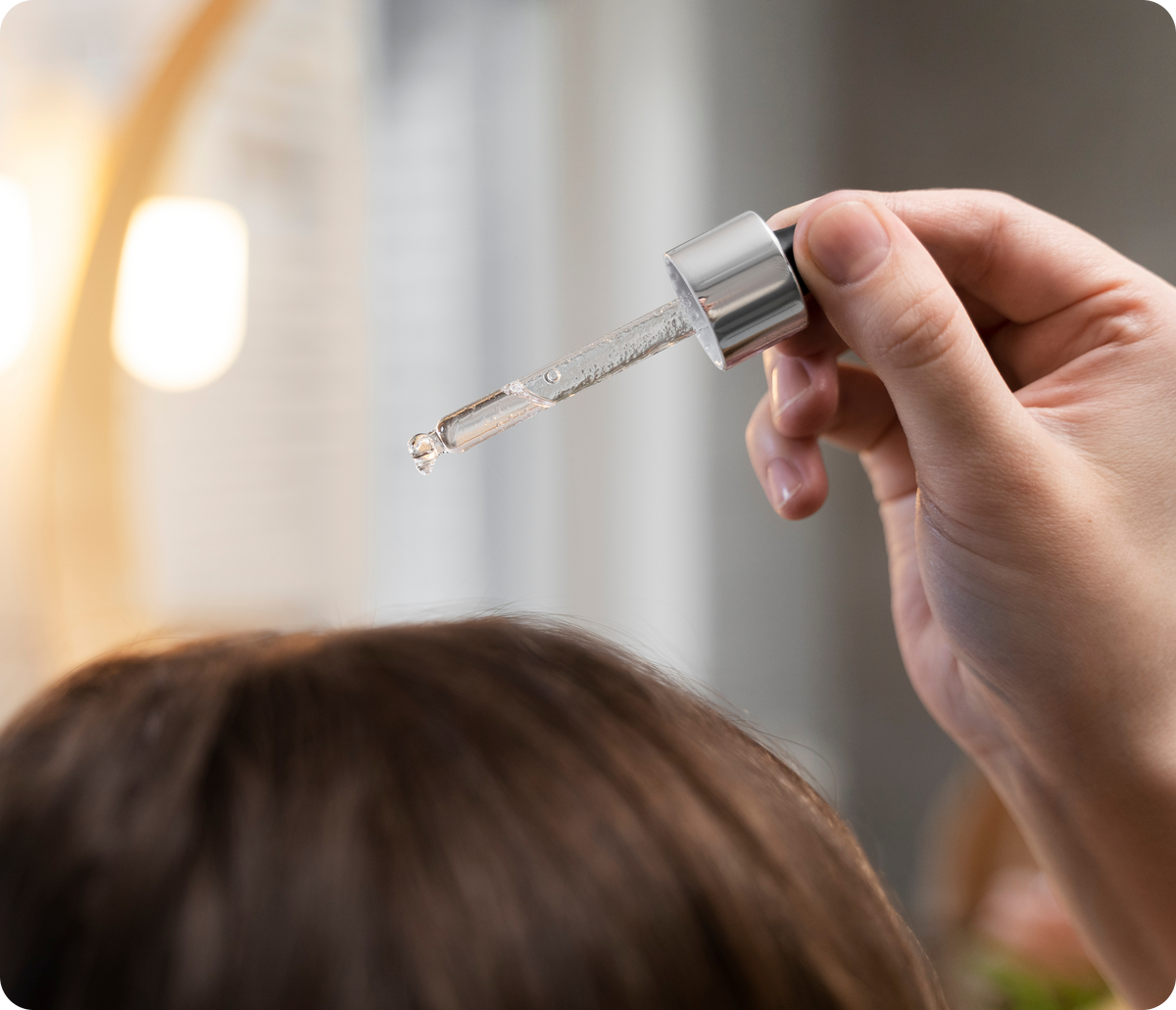
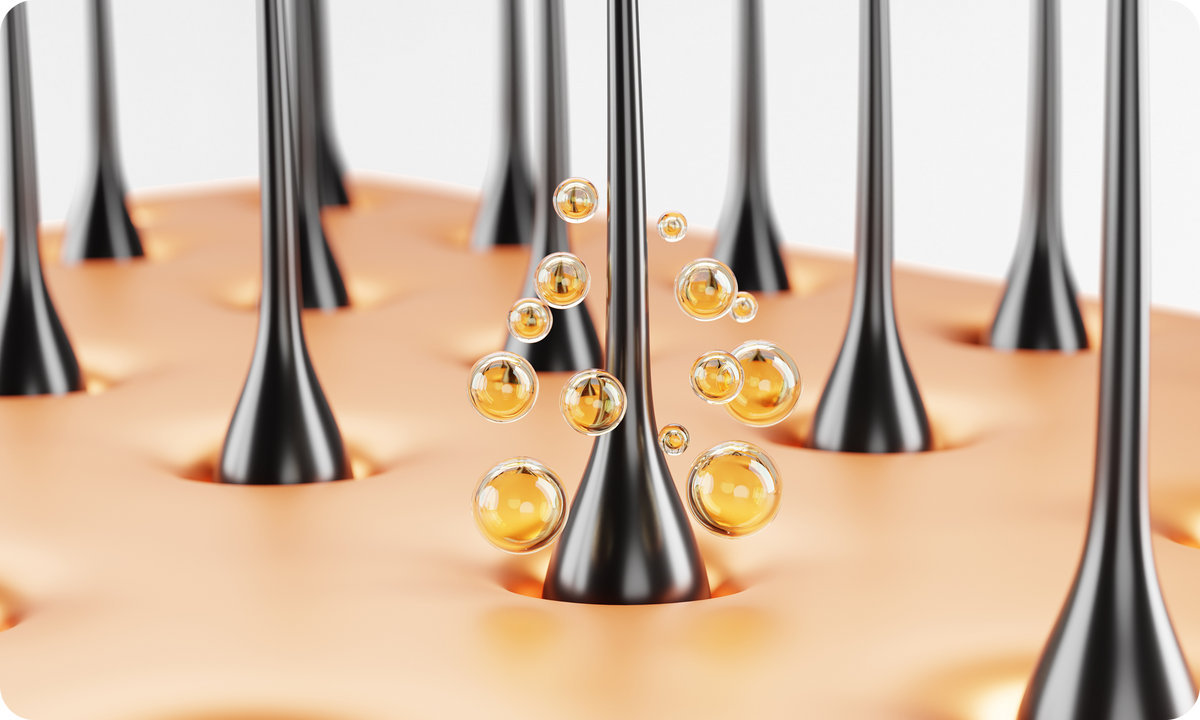
A Dermatological Solution for Hair Loss
Restoring hair growth requires a biological approach. By using advanced scalp care designed to support the microbiome, follicle activity can improve—leading to longer growth cycles and thicker strands.
Four Ways to Improve Hair at the Early Stage
1. Heal follicle inflammation
Soothe skin to create calmer conditions that support longer, thicker hair.
2. Balance the scalp microbiome
Maintain hydration and regulate sebum to create a stable microbial environment.
3. Prolong the growth cycle
Encourage longer growth cycles by protecting follicles from physical stress.
4. Guide nutrients to the root
Deliver oxygen, nutrients and growth activators deep inside the follicular where hair growth begins.
What a Dermatologist Would Recommend
“Many people experiencing hair shedding from menopause reach for surface-level solutions, but the real problem is happening deep inside the follicle. This requires targeted dermatological support. That’s why I developed a follicle-focused scalp system to restore hair growth at the root.”
— Dr. Kilgour

891 clinicians, including dermatologists, share this on FrontrowMD without compensation. Learn more
The KilgourMD System: Clinically Proven Results
Powered by a clinical-grade blend of actives, the KilgourMD system delivers root-deep support, helping restore fuller-looking hair. The results are proven by real scientific evidence: In a 120-day clinical study, 43 women aged 30–65 showed noticeable improvements in scalp health and hair growth.
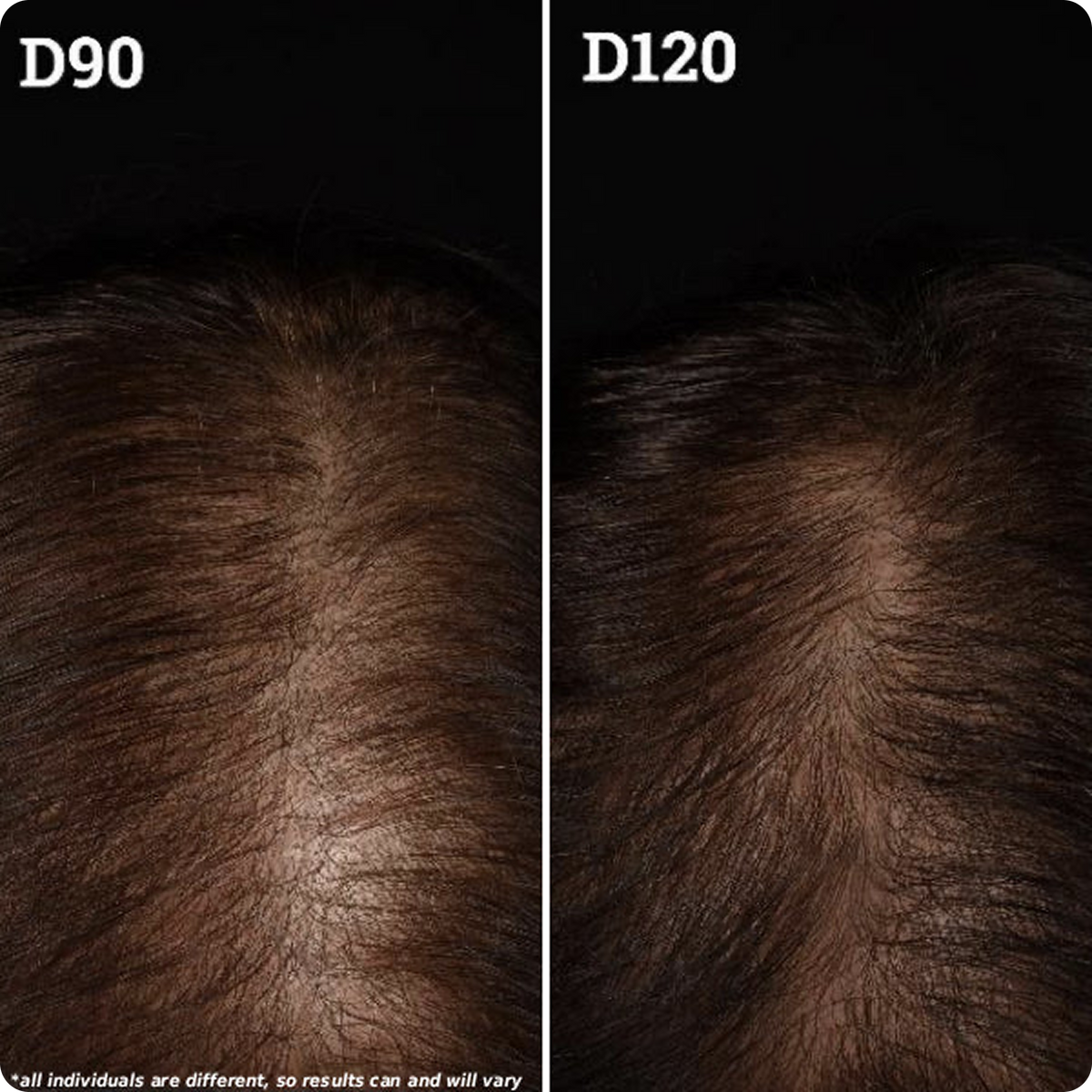
In clinical trials:
- 95% saw improvements in hair density in just 6 weeks
60% saw reduced hair shedding at 120 days
53% demonstrated clinically significant regrowth

Formulated by a
board-certified dermatologist
Endorsed by
700+ U.S.
clinicians
Patent-pending
minoxidil-free
formula
A Simple Addition to Your Routine
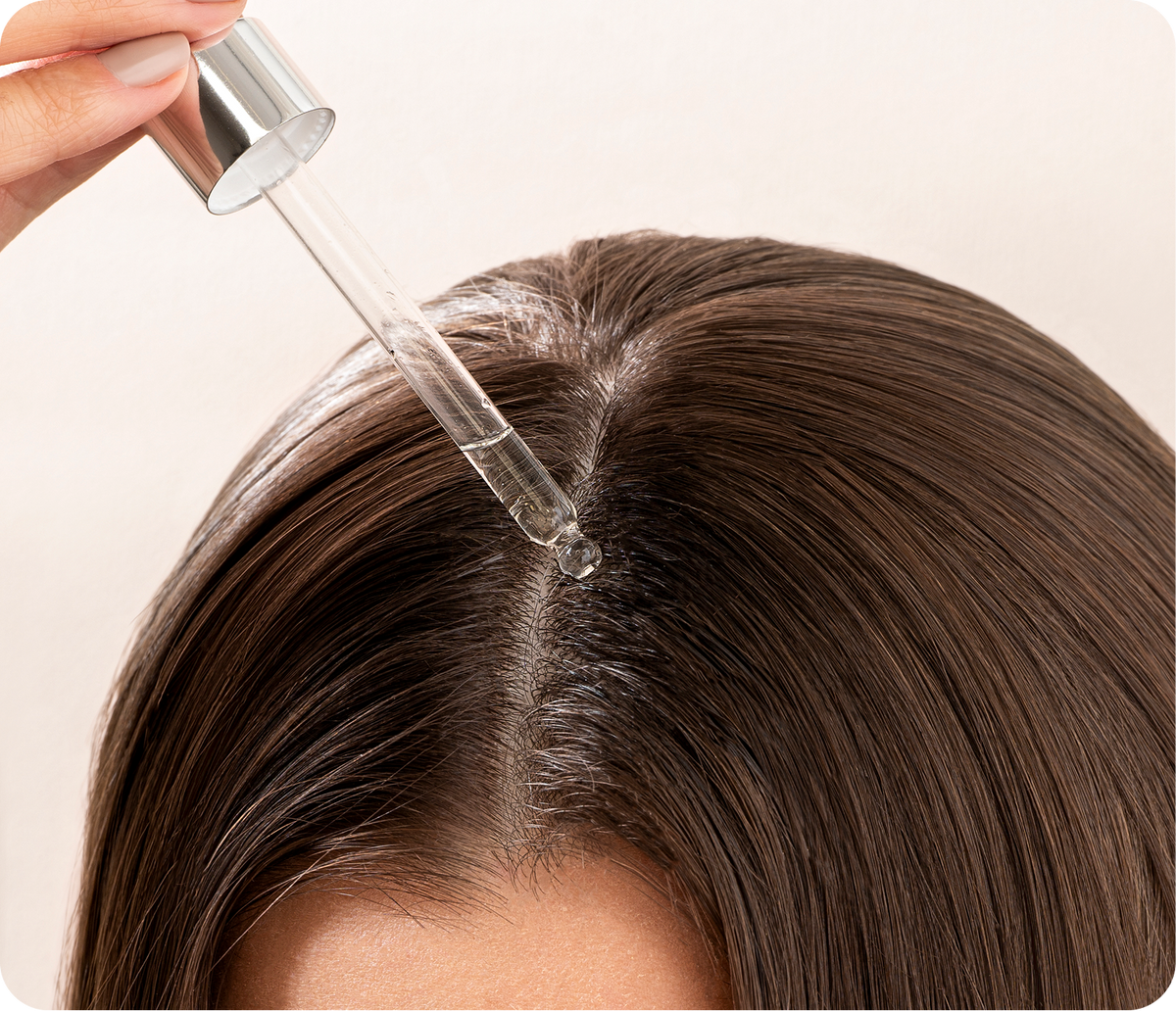
STEP 01
Apply once daily
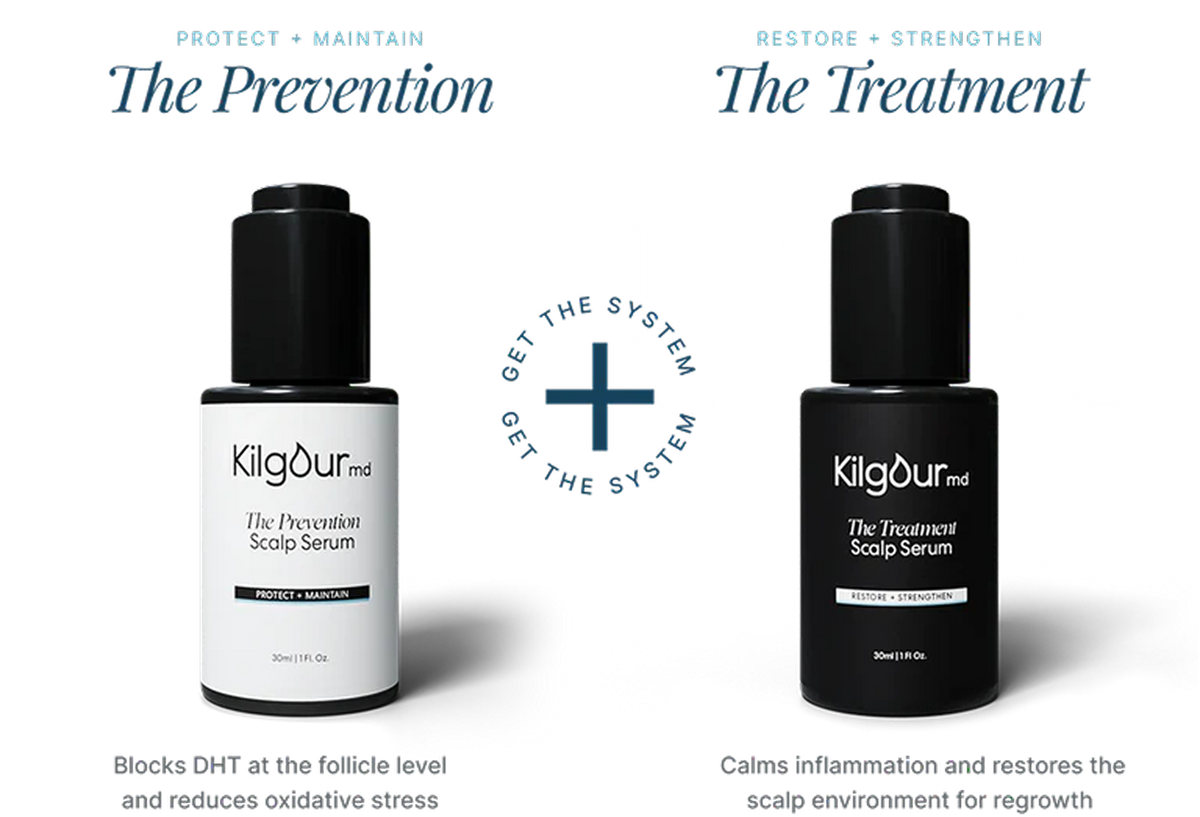
Apply 2 droppers of the Prevention Serum to your scalp daily
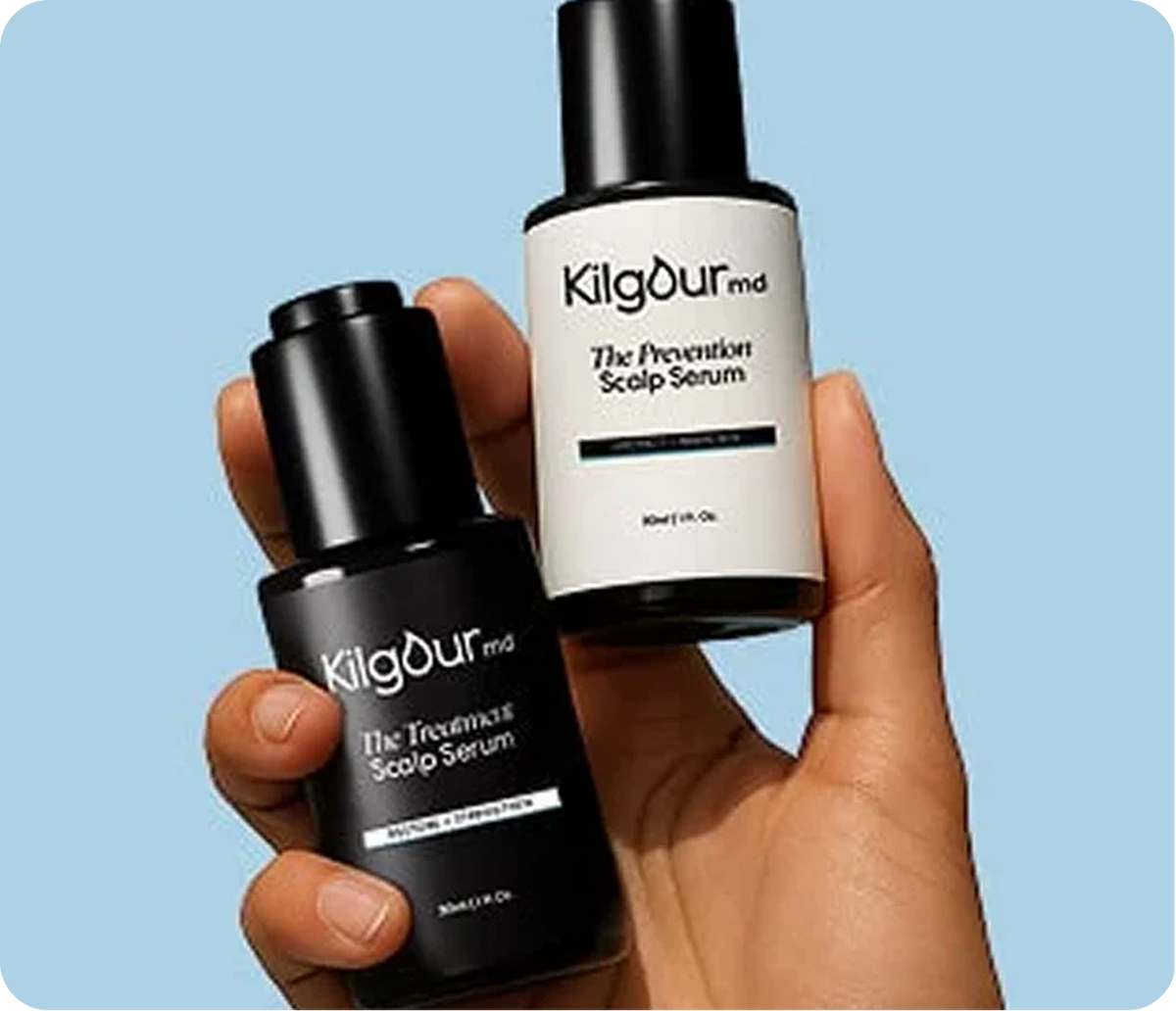
STEP 02
Prevention, then treatment
Follow with 2 droppers of the Treatment Serum
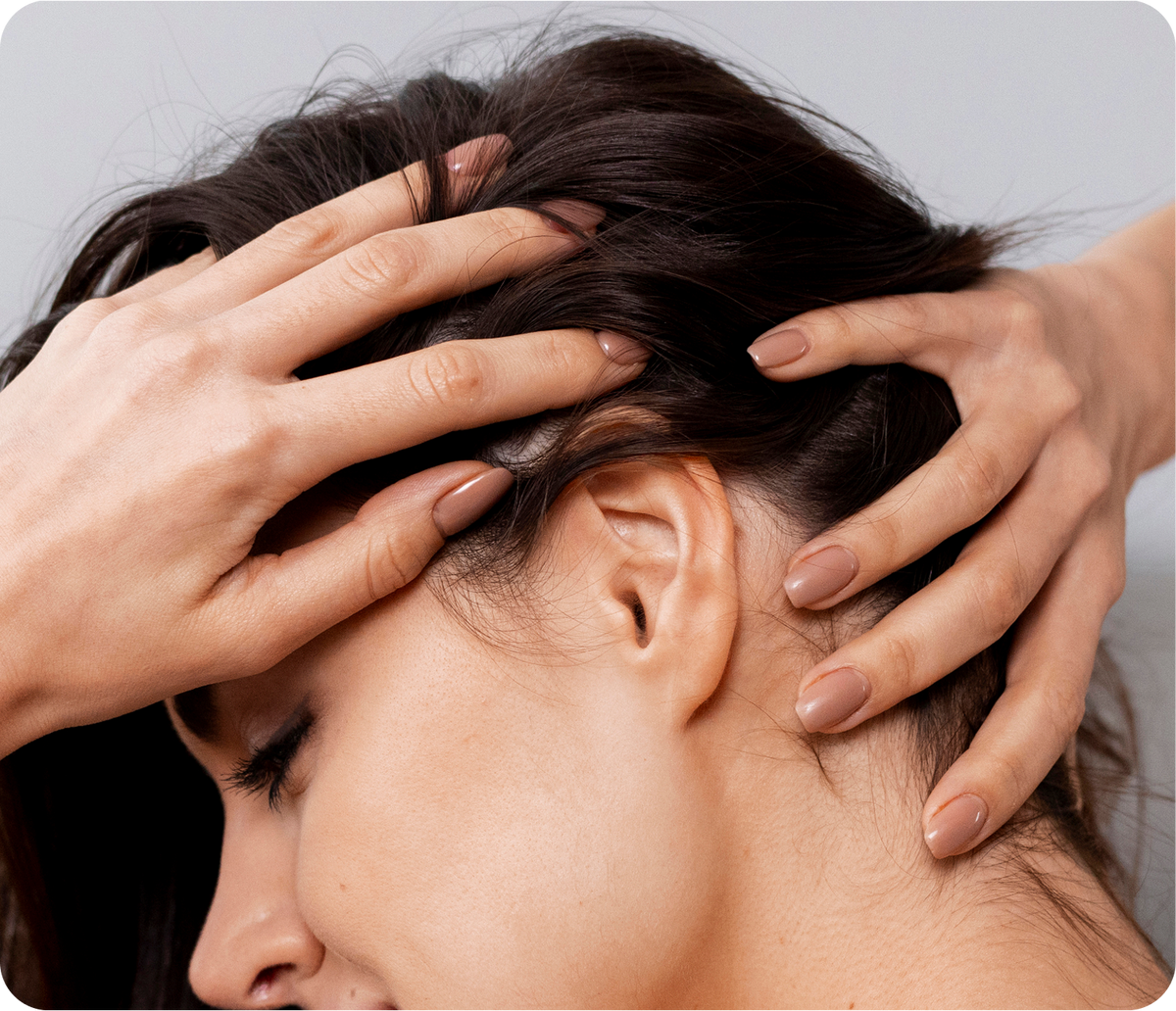
STEP 03
Massage in
Massage in gently — no
rinsing needed
Takes 30 seconds. Works while you sleep. Most patients notice reduced
shedding within 4-6 weeks, with visible regrowth by 90 days.
Hear what the people have to say
"As a dermatologist, I'm constantly evaluating new products for my patients. KilgourMD's approach to scalp health is backed by solid science and delivers real results without the side effects I see with traditional treatments."
Dr. Sarah Martinez, MD
MD, Board-Certified Dermatologist, Los Angeles, CA
Since I hit the menopause I've definitely seen my hair become thin and I can see more of the scalp. My friend recommended KilgourMD and have been using the treatment product for a couple of months now and the change has been significant. I honestly wish I had started using this years ago. Have subscribed and plan to keep using this long term
Chrissy N.
Verified Customer
It adds moisture to my itchy menopause scalp and makes my hair feel thicker, such a lovely product! I use it with my scalp hero massager and it feels amazing!
Vidiya M
Verified Customer
As Featured In


You Shouldn't Have to Choose Between Weight Loss and Hair Loss
GLP-1 medications are transforming lives — but the hair loss side effect is real, and it's not talked about enough.
If you're noticing shedding, thinning, or texture changes, acting early gives you the best chance of protecting your hair while staying on your medication.