
Why Hair Shedding
Can Happen During
Rapid Weight Loss
Rapid weight loss changes how the body allocates nutrients.
Hair growth is often temporarily deprioritized.
Understanding the biology reduces fear and clarifies what can be supported.
AND WHY NO ONE EXPLAINS THE REAL REASON
Understanding the biology reduces fear and clarifies what can be supported.
Hair shedding during GLP-1 treatment is due to metabolic changes. Proper support can help.
James Kilgour, MD | Board-Certified Dermatologist

Is This Permanent? In Most Cases, No.
Most GLP-1 related shedding is a response to metabolic stress and calorie restriction.
The follicle is still alive. It has shifted growth phases.
The key is supporting the scalp while cycles stabilize.
When Nutrients Are Limited, Hair Is Not First in Line.
During calorie deficit, the body directs nutrients toward vital organs. Hair follicles receive less metabolic support.
This is a natural prioritization process, not system failure.
More Than Shedding. It Affects Confidence.
Starting GLP-1 can feel empowering.
Improved metabolic health. Visible weight changes. Renewed confidence.
Then the shedding begins.
For many women, the emotional impact arrives quietly in everyday moments. This section acknowledges that experience while reinforcing that accelerated thinning is often temporary and biologically understandable.
A Dermatology Based Approach to GLP-1 Shedding
The goal is not cosmetic thickening.
The goal is reinforcing scalp tissue integrity while follicles transition back into active growth.


891 clinicians, including dermatologists, share this on FrontrowMD without compensation. Learn more
A Simple Addition to Your Routine
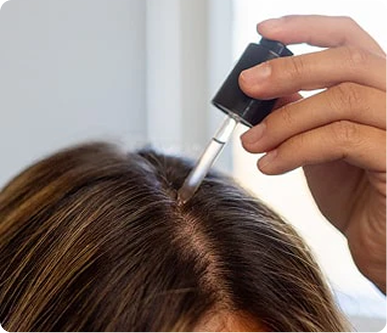
STEP 01
Apply once daily
Apply 2 droppers of the Prevention Serum to your scalp daily

STEP 02
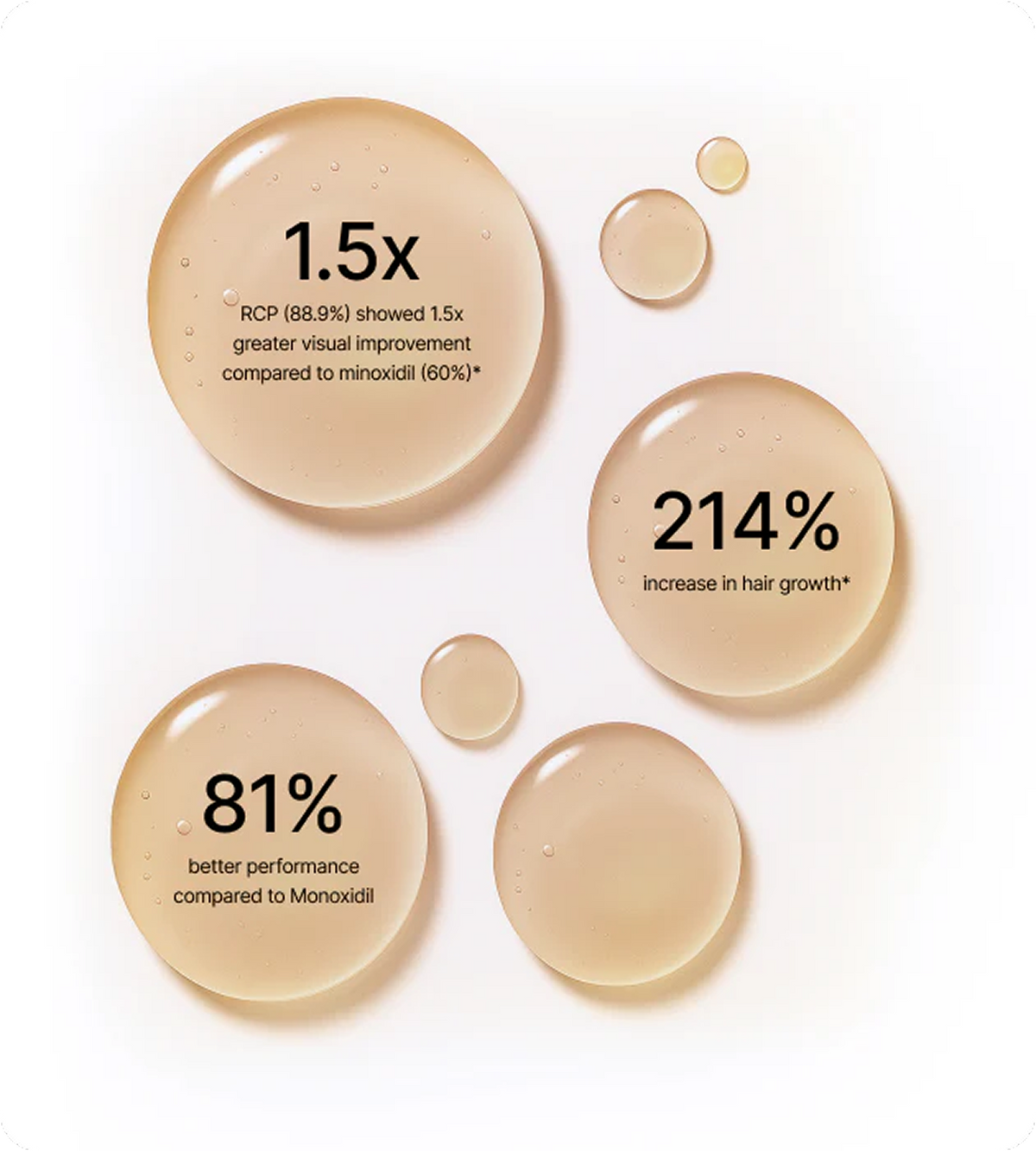
Prevention, then treatment
Follow with 2 droppers of the Treatment Serum
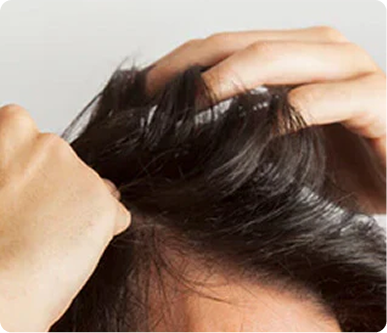
STEP 03
Massage in
Massage in gently — no rinsing needed
Takes 30 seconds. Works while you sleep. Most patients notice reduced shedding within 4-6 weeks, with visible regrowth by 90 days.
Support your hair as you choose health.
Hair shedding during metabolic change can feel alarming.
Understanding that most cases are temporary reduces fear.
Supporting the scalp early improves visible outcomes over time.
Designed for transitional phases
Focused on restoring confidence
Addresses visible thinning at the part line
Supports stronger regrowth cycles
Clinically informed formulation

Not All Thinning
Means Permanent Loss.
Rapid weight loss and metabolic shifts can temporarily change how the scalp supports hair growth.
That does not automatically mean follicles are permanently lost.
This visual clarifies the difference so you can understand what is happening biologically.
Normal Scalp Tissue
- Strong collagen support
- Balanced circulation
- Full diameter follicles
- Stable growth cycles
Age Related Scalp Thinning
- Gradual collagen decline
- Slower microcirculation
- Mild follicle miniaturization
- Shortened growth phase
Rapid Weight Loss
- Nutrient redistribution
- Temporary telogen shift
- Increased shedding phase
- Follicles are present.
Permanent Follicle Loss
- Follicle absent
- Scar tissue replaces it
- No visible opening
The Timeline of GLP-1 Hair Shedding and Recovery
Hair thinning does not happen overnight.
It follows a biological timeline that begins at the tissue level long before visible changes appear.
This simplified graphic shows where intervention makes the greatest difference.
Declining estrogen levels begin altering scalp collagen, circulation, and cellular renewal.
Reduced structural support and increased inflammatory signaling affect follicle stability.
Part line widens. Shedding increases. Strands grow finer and shorter.
The dual action system works to support tissue integrity, reduce shedding, and reinforce healthy growth cycles.
Growth cycles normalize. Visible fullness improves over several months of continued application.
Intervening at the scalp level can help slow progression and support visible density recovery.
GLP-1 Hair Changes Are Often Reversible
GLP-1 related hair shedding is commonly driven by metabolic shifts and temporary follicle stress, not permanent follicle loss.
When follicles remain structurally present, early scalp support can help stabilize the environment and guide the growth cycle back on track.
Waiting increases stress. Targeted action restores control.